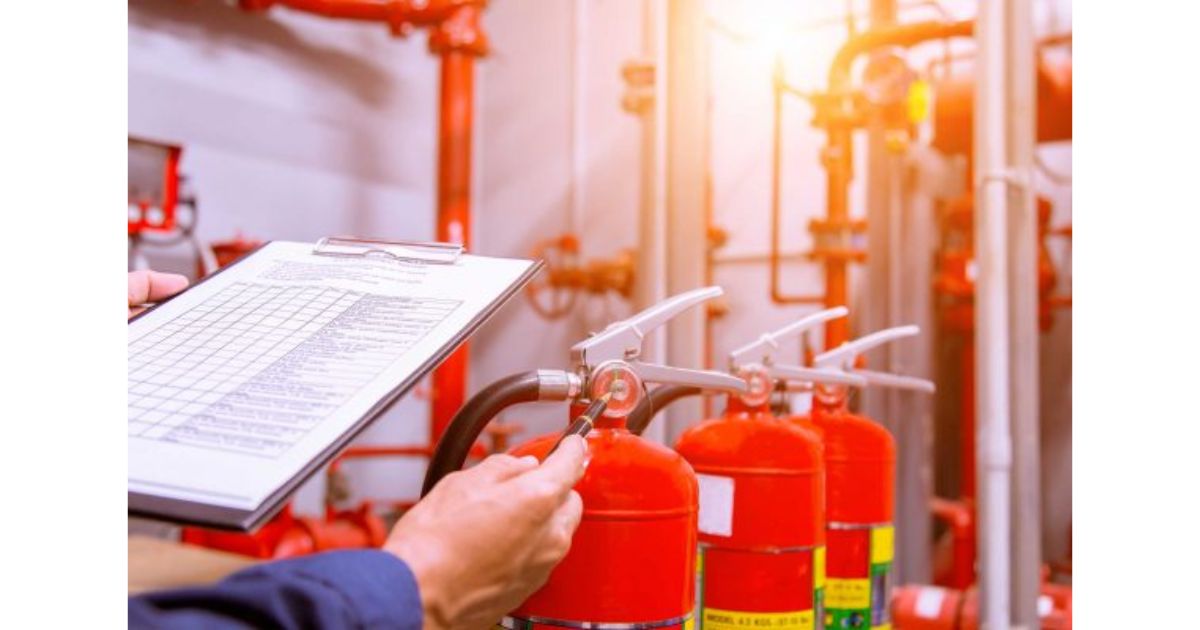
In recent years, the demand for Bảo trì hệ thống PCCC (fire protection system maintenance) has grown significantly, especially in commercial buildings. As urban development accelerates and infrastructure becomes more complex, ensuring fire safety has become a top priority for building owners, facility managers, and regulatory authorities.
Commercial buildings such as shopping malls, office complexes, hotels, hospitals, and warehouses host large numbers of people and valuable assets. This makes fire prevention and safety systems not just important—but absolutely essential. As a result, regular maintenance of fire protection systems is now considered a critical part of building operations rather than a secondary task.
This article explores why demand for fire protection system maintenance is rising and what factors are driving this important shift.
Increasing Urbanization and High-Rise Construction
One of the main reasons for the growing demand for Bảo trì hệ thống PCCC is rapid urbanization. Cities are expanding vertically, with more high-rise commercial buildings being constructed than ever before.
Tall buildings present unique fire safety challenges:
- Longer evacuation times
- Complex floor layouts
- Higher occupancy density
- Increased reliance on automated safety systems
In such environments, fire protection systems must function flawlessly at all times. Even a minor malfunction can lead to catastrophic consequences.
Because of this, building owners are investing more in regular maintenance to ensure that all fire safety systems remain fully operational and compliant with safety standards.
Stricter Fire Safety Regulations and Compliance Requirements
Governments and regulatory bodies have significantly strengthened fire safety regulations in commercial sectors. These regulations require buildings to maintain fully functional fire protection systems at all times.
Regular Bảo trì hệ thống PCCC is now mandatory in many regions to ensure:
- Proper functioning of fire alarms and detectors
- Operational sprinkler and suppression systems
- Reliable emergency lighting and exit signage
- Regular inspection and documentation of safety systems
Non-compliance can lead to penalties, legal consequences, or even closure of business operations.
As regulations become stricter, commercial building operators are prioritizing scheduled maintenance to avoid risks and ensure legal compliance.
Rising Awareness of Fire Safety Risks
Another major factor contributing to increased demand is growing awareness of fire-related risks. High-profile fire incidents in commercial spaces have highlighted the importance of reliable fire protection systems.
Business owners and facility managers now understand that:
- Fire damage can result in massive financial losses
- Human life safety depends on early detection and response
- Downtime caused by fire incidents can disrupt business operations for long periods
This awareness has shifted fire safety from a reactive approach to a preventive one. Instead of fixing problems after they occur, organizations now invest in continuous maintenance to prevent failures before they happen.
Increasing Complexity of Modern Fire Protection Systems
Modern commercial buildings are equipped with advanced fire protection technologies. These include smart smoke detectors, automated sprinklers, centralized alarm systems, and integrated building management systems.
While these technologies improve safety, they also increase system complexity. As a result, Bảo trì hệ thống PCCC has become more technical and specialized.
Maintenance teams now need to handle:
- Digital fire alarm control panels
- Networked detection systems
- Automated suppression mechanisms
- Integrated emergency response systems
Because of this complexity, regular maintenance is essential to ensure all components work together seamlessly during emergencies.
Growth of Commercial Infrastructure and Business Expansion
The expansion of commercial infrastructure has also contributed to rising demand for fire protection system maintenance. New shopping malls, office towers, hotels, and industrial warehouses are being developed at a rapid pace.
Each of these buildings requires:
- Comprehensive fire detection systems
- High-capacity suppression systems
- Emergency evacuation systems
- Continuous monitoring and maintenance services
As the number of commercial buildings increases, so does the need for ongoing Bảo trì hệ thống PCCC services.
Additionally, businesses are becoming more competitive, and operational continuity is crucial. Fire incidents can disrupt business activities and damage brand reputation, making maintenance a necessary investment rather than an optional cost.
Insurance Requirements and Risk Management
Insurance companies play a significant role in driving demand for fire protection system maintenance. Many insurers require proof of regular Bảo trì hệ thống PCCC before providing coverage for commercial properties.
Proper maintenance helps:
- Reduce insurance premiums
- Improve risk assessment ratings
- Ensure faster claim approvals in case of incidents
- Minimize liability for building owners
From a risk management perspective, well-maintained fire systems significantly reduce the likelihood of major losses. As a result, businesses are more motivated to invest in regular inspections and maintenance programs.
Adoption of Smart Building Technologies
The rise of smart buildings has also increased the need for advanced fire protection system maintenance. Modern commercial buildings often use integrated digital systems that connect fire safety with other building operations.
These systems include:
- Automated fire detection networks
- Real-time monitoring dashboards
- Remote alert systems
- Integrated emergency response controls
While these technologies improve efficiency, they also require specialized maintenance to ensure proper functioning.
Smart systems generate continuous data that must be monitored, analyzed, and acted upon. This has led to an increased demand for skilled technicians and advanced maintenance strategies in Bảo trì hệ thống PCCC.
Focus on Workplace Safety and Employee Protection
Companies are now placing greater emphasis on employee safety and workplace well-being. Commercial buildings host thousands of employees daily, making fire safety a top organizational priority.
Regular maintenance ensures:
- Safe evacuation during emergencies
- Early fire detection to prevent casualties
- Reliable operation of safety equipment
- Reduced panic and confusion during incidents
Organizations recognize that investing in fire protection system maintenance is not just about compliance—it is about protecting human life and maintaining a safe working environment.
Cost Efficiency Through Preventive Maintenance
Another reason for growing demand is cost efficiency. Preventive Bảo trì hệ thống PCCC is far more cost-effective than emergency repairs or system replacements after a failure.
Regular maintenance helps:
- Identify small issues before they become major problems
- Extend the lifespan of fire protection equipment
- Reduce emergency repair costs
- Minimize downtime in commercial operations
Businesses now understand that proactive maintenance reduces long-term expenses and improves system reliability.
Integration of Professional Maintenance Services
As demand grows, many commercial buildings are turning to professional maintenance services specializing in fire protection systems. These experts bring technical knowledge, advanced tools, and structured maintenance processes.
Professional services ensure:
- Accurate system inspections
- Compliance with fire safety standards
- Efficient troubleshooting and repairs
- Regular performance testing and reporting
This shift toward professional management has further increased the importance and demand for Bảo trì hệ thống PCCC in the commercial sector.
Conclusion
The growing demand for Bảo trì hệ thống PCCC in commercial buildings is driven by multiple factors, including urban expansion, stricter regulations, advanced technology, and increased awareness of fire safety risks.
As commercial infrastructures become more complex and populated, maintaining reliable fire protection systems is no longer optional—it is essential for safety, compliance, and business continuity.
Investing in regular maintenance not only protects lives and property but also ensures long-term operational stability for businesses. In today’s fast-paced urban environment, fi